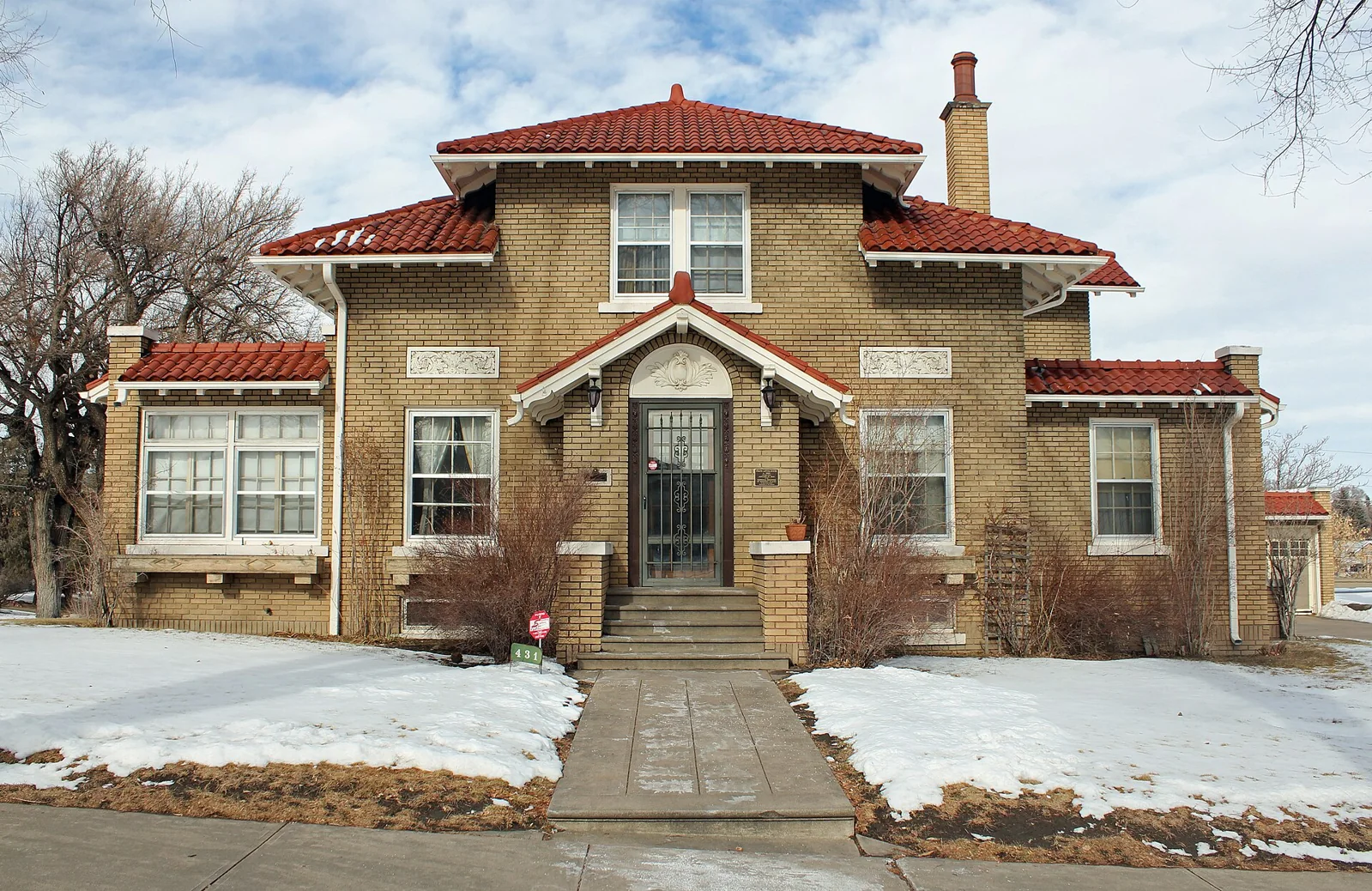
Start with the ground, not the roof
Most roof paperwork begins somewhere other than the roof itself. It begins with a date, a short description of what you could see, and the questions you have not yet asked. Recording that first keeps the later conversation about the roof rather than about memory.
This file is deliberately narrow. It holds an observation date, a general location description if you want one, what you saw from the ground, the records you already hold, your questions and scope notes on up to three proposals. It does not upload anything, look up an address or contact a company.
Before you begin: stay on the ground. Do not climb onto the roof, open electrical systems or remove building components to complete a record. Nothing here interprets insurance or legal coverage.
Three guides, in the order they tend to help
Guide one
What belongs in a written record when you are standing in the yard: the date, the general location, what is visible at ground level, and the documents you already hold. No ladder required.
Guide two
How to note what a proposal says about removal, replacement and exclusions — and how to write down only what the document states, without filling gaps yourself.
Guide three
A short discipline for preparing the questions you want answered, and for checking a contractor's licence through the state's own lookup rather than through advertising.
Where to check things officially
Two checks sit behind almost every roofing decision, and both belong to public bodies rather than to this publication.
-
Contractor licences. Florida roofing contractor licences can be looked up through the Florida Department of Business and Professional Regulation's
Verify a Licensee service,
which shows licence type, licence number, status, licensure date and expiration. This site asserts nothing about any particular Tampa company, licence or status.
-
Local requirements. FEMA advises homeowners to check with the local building official before beginning any repairs or rebuilding, because building codes, permits, inspection requirements and zoning ordinances may be involved.
What the published guidance actually covers
Florida's Division of Emergency Management publishes homeowner wind-mitigation guidance on roofs that covers shingle, tile, metal and membrane or built-up roofs, as well as roof framing, gable end overhangs, gable end bracing and roof or attic water intrusion. That is a topic index, not an assessment of any home.
FEMA lists roof failures as a common cause of major damage from high winds, and names mitigation measures including designing wind-resistant roofs, reinforcing gable roof ends, securing sheathing properly and installing shingles properly. FEMA also states that building officials emphasise that only licensed professionals are qualified to perform structural repair or structural mitigation work.
Some of that guidance describes work well beyond ground level: roof-to-wall connections hidden by drywall, cladding, soffit and sheathing; probing a wood post for softness near its fasteners. None of that is something this file asks you to attempt. Your record captures what is visible and safe to observe.